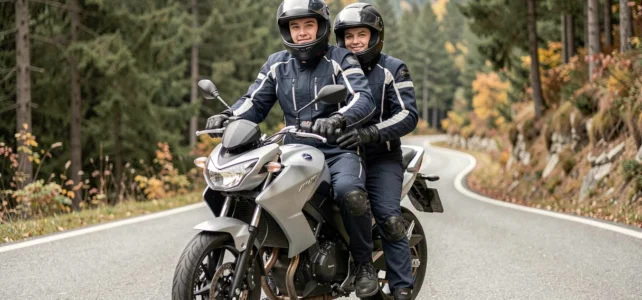
Finding a 125 that can comfortably accommodate a passenger is more challenging than it seems. The category of 125 cm³ two-seater motorcycles suffers from a structural flaw: the majority of models are designed for solo urban use, with a rear seat reduced to the bare minimum required by regulations.
Riding two-up on a 125 remains legal and common, provided you choose the right model and check a few technical points that have come under even closer scrutiny since the introduction of motorcycle technical inspections.
Motorcycle technical inspection and two-up use on a 125: what has changed
Since April 15, 2024, all L3e category motorcycles, including 125 cm³, are subject to periodic technical inspections in France. The schedule depends on the date of first registration: vehicles registered before 2017 had to undergo their first inspection by the end of 2024, those from 2017 to 2019 in 2025, and those from 2020 to 2021 in 2026.
For 125s regularly used two-up, this inspection has direct implications. The checks particularly focus on the rear suspension, braking, footpegs, and passenger handles. A machine that often carries two people, sometimes with a top case, puts more strain on these components. A worn suspension or non-approved accessories increase the risk of a re-inspection.
In practical terms, buying a used 125 for two-up use without checking the condition of these elements exposes you to additional costs from the first inspection. Choosing a comfortable two-seater 125 motorcycle now also involves anticipating this regulatory constraint.

Passenger ergonomics on a 125: the criteria that technical sheets do not show
Manufacturer catalogs display engine power, weight, and seat height. They rarely mention the usable length of the passenger seat, the angle of the rear footpegs, or the presence of real grab handles. Yet, it is these details that determine whether a two-up journey will be bearable beyond twenty minutes.
A passenger seat that is too short poses a real problem: the passenger slides backward with every acceleration. The foam must also have sufficient density to avoid compressing under weight.
The footpegs deserve equal attention. On some 125 models, they are positioned very high and far back, forcing the passenger to fold their legs into a tiring posture. Roadster or trail-type models generally offer a more natural positioning than sport bikes.
- Length of the passenger seat: prioritize a seat that is wide enough (at least “two hands wide”) with dense foam that does not sag
- Rear footpegs: check that they allow for a comfortable knee angle, especially for taller passengers
- Grab handles: handles securely attached to the frame, not just decorative straps
- Aerodynamic protection: a windshield or fairing that also covers the rear seat reduces fatigue on journeys longer than an hour
Honda CB125F and Yamaha MT-125: two approaches to two-up riding on a 125
Among the most widely distributed models in France, the Honda CB125F and Yamaha MT-125 illustrate two distinct philosophies. The Honda CB125F adopts an upright riding position, a relatively flat and long seat for the category, and a single-cylinder engine focused on low-end flexibility. In two-up riding, this configuration results in a slightly more generous passenger seat than the average 125.
The Yamaha MT-125, on the other hand, favors a sportier temperament. Its rear seat is shorter, and the passenger sits higher. The engine’s responsiveness is superior in terms of liveliness, but the comfort for two is affected on journeys exceeding half an hour.
The choice between these two models directly depends on the frequency of two-up use. For occasional two-up use in the city, the MT-125 remains a viable option. For regular outings on the road, the CB125F is more suitable due to its ergonomics designed for utility.
KTM Duke 125: the trap of the roadster style
The KTM Duke 125 attracts with its lively chassis and bold design. Solo, it is probably one of the most enjoyable 125s to ride in the city. However, its passenger seat is minimal, and the suspension, calibrated for a solo rider, quickly shows signs of strain when carrying a passenger.
Adding a passenger on a Duke 125 without adjusting the rear shock preload significantly degrades road behavior. The motorcycle dives under braking and feels unstable in corners. This adjustment, often overlooked, is now part of the checks covered by the technical inspection.
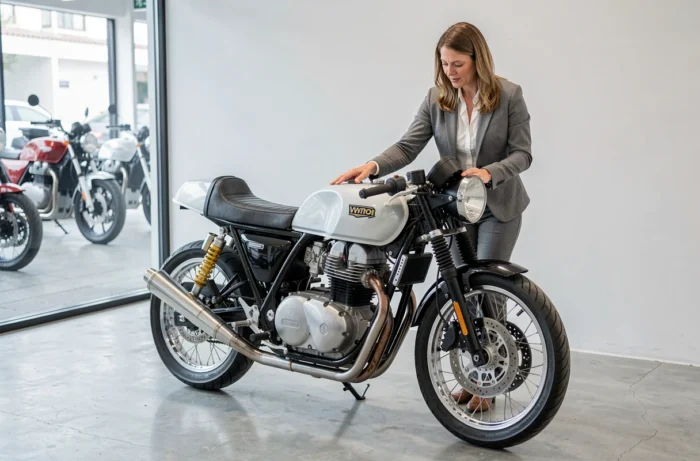
Suspension and braking under load: the physical limits of a 125 for two
A 125 cm³ typically weighs much less than a touring or large-displacement trail bike. Adding a 70 kg passenger to a machine that itself weighs around 130 represents a load increase of over 50% compared to its dry weight. The consequences on dynamic behavior are significant.
Braking distances increase mechanically. Stopping distance grows, and the discs and pads work harder. On models equipped with ABS, the system partially compensates, but it doesn’t perform miracles if the pads are worn.
- Check the rear shock preload before each two-up ride: most 125s have an adjustment via a knob or wrench
- Check the thickness of the brake pads more frequently with regular two-up use
- Adjust tire pressure: slightly increase the rear pressure according to the manufacturer’s recommendations found on the swingarm or in the manual
These adjustments do not turn a 125 into a grand touring machine. They simply allow for riding in acceptable safety conditions, which the technical inspection will verify anyway during the mandatory check.
The market for comfortable two-seater 125s remains narrow. The models genuinely designed for two-up riding can be counted on one hand, and compromises are inevitable between engine power, weight, and passenger space. Checking the mechanical condition of the two-up related elements before purchase, whether new or used, remains the most cost-effective precaution in the long run.