
A window that lets in a draft of cold air in winter or turns a room into an oven in summer is probably familiar to you. Replacing old windows with high-performance models improves a home’s thermal comfort, but choosing the right ones depends on specific criteria that product labels don’t always make clear. Understanding a few technical indicators is enough to avoid costly mistakes.
Uw coefficient and Sw solar factor: the first two values to check on a window quote
Before comparing materials or brands, look at two figures on each quote. The first is the Uw coefficient, expressed in W/m².K. It measures how much heat passes through the entire window (glass and frame). The lower the value, the less heat the window lets escape.
The second is the Sw solar factor. It indicates how much solar energy the window lets in. A high value is beneficial on a south-facing façade in winter, as it captures free heat from the sun. On a west-facing façade exposed to the low summer sun, however, an Sw that is too high can cause overheating.
Have you noticed how a south-facing room heats up quickly in the afternoon, even with the windows closed? The solar factor is responsible. Matching the Sw to the orientation of each façade is more effective than installing the same model everywhere.
Both values should appear on the quote. If an installer doesn’t include them, ask for them in writing. They also determine eligibility for certain financial incentives, whose thresholds depend on the scheme and type of window. For a useful resource to compare several window options and refine your project, visit https://ze-company.com/.
Double or triple glazing: which option is right for your situation?
Single glazing offers virtually no protection from the cold. Standard double glazing already provides a significant improvement in insulation, but not all double-glazed windows are equal.
The role of gas and surface coating
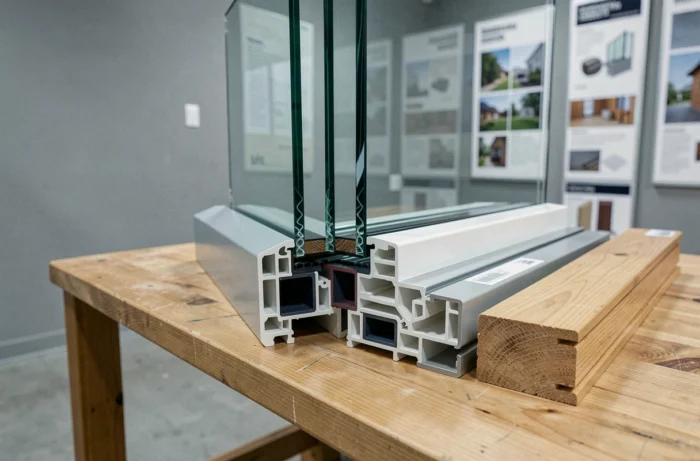
High-performance double glazing contains a layer of argon gas between the two panes of glass. This gas, which is denser than air, slows heat transfer. The inner pane has a coating known as a low-emissivity coating, which reflects heat back into the room instead of letting it escape outside.
Triple glazing adds a third pane and a second layer of gas. It further reduces heat loss, but it is heavier, thicker and more expensive. It is mainly worthwhile in regions with harsh climates, on north-facing façades that never receive direct sunlight, or in passive houses where every watt counts.
When triple glazing isn’t worth the extra cost
On a well-exposed south-facing façade, triple glazing also reduces free solar heat gain. You lose passive heat what you gain in insulation. Double glazing with enhanced insulation (VIR) and a good solar factor often offers a better balance between insulation and solar heat gain.
Window frame materials: PVC, wood or aluminium
Glazing accounts for the largest surface area, but the frame plays a major role in overall performance. Each material has distinct characteristics:
- PVC offers the best thermal insulation among common materials at an affordable price. It requires no special maintenance. Its limitation: colour options and profiles are less refined than those of aluminium.
- Wood is naturally a good insulator and suits older buildings or protected areas, where the exterior appearance must meet architectural requirements. It needs regular maintenance (stain or paint).
- Aluminium allows for slim profiles and large glazed areas. Its traditional weakness—high thermal conductivity—is addressed by a thermal break, an insulating strip built into the frame. Make sure this thermal break is present, as an aluminium frame without one can seriously worsen the overall Uw value.
Composite frames (wood-aluminium) combine the insulation of wood on the inside with the durability of aluminium on the outside. This option increases the budget but reduces maintenance while maintaining good performance.
Permits and requirements to consider before replacing your windows
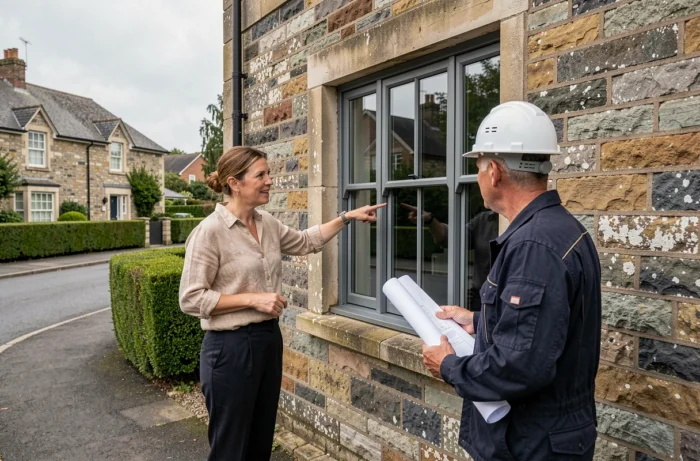
One point that technical guides often overlook: replacing your windows may require planning permission. Changing the material, colour or shape of the frames alters the exterior appearance of the façade. Your local council may therefore require a prior works declaration.
In a protected area (within the perimeter of a historic monument or a designated site), the opinion of the Architecte des Bâtiments de France is often required. This professional may specify a particular material, colour or profile type.
In a condominium, things are more complicated. The condominium rules often govern the appearance of windows facing the street. Any change affecting the façade may require a vote at a general meeting. Check with the property manager and review the rules before signing a quote, or you may have to remove windows that have already been installed.
Make sure performance figures are included in the quote
Whatever material you choose, insist that the quote lists the Uw and Sw values for each window, the type of glazing (double VIR or triple), the gas used (argon or krypton) and the installation method (replacement using the existing frame or full removal). This information lets you compare quotes objectively and check whether you may qualify for a financial incentive.
MaPrimeRénov’ rules have changed recently. Eligibility requirements, grant amounts and required performance thresholds vary over time. Before committing, check the current conditions with France Rénov’ or Anah.
Ultimately, choosing a high-performance window comes down to three practical decisions: selecting glazing suited to each orientation, choosing a frame material that works with your building and regulatory requirements, and checking that the Uw and Sw values are clearly stated in the quote. Getting these three points right before signing helps prevent most problems.