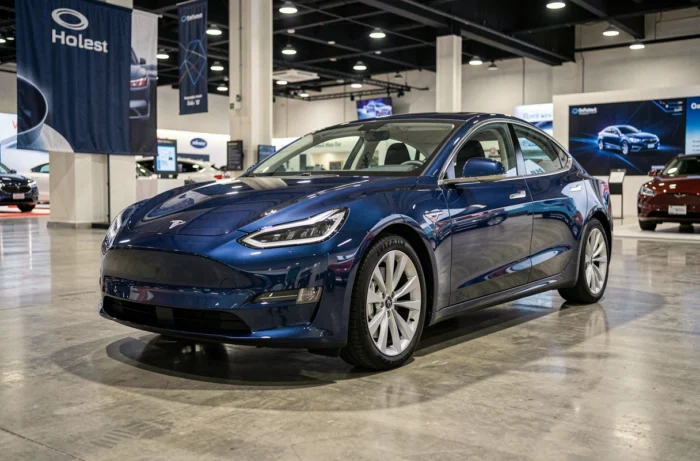
The French automotive market is growing on the back of electrification, while diesel sales continue to fall.
This reshaping of the vehicle fleet goes beyond powertrains: it also affects type-approval rules, end-of-life battery management and the arrival of manufacturers that had no presence in Europe five years ago.
Euro 7 regulations: what’s changing beyond exhaust emissions
The Euro 7 standard marks a break with previous generations of regulations. For the first time, particles from brakes and tyres are included in the requirements, including for electric vehicles. A vehicle with zero tailpipe emissions still produces brake dust and tyre wear particles—two sources of fine particulate matter that have so far been overlooked by the regulatory framework.
For heavy-duty vehicles, European manufacturers represented by ACEA have called for the deadlines for brake emissions to be postponed. The request is still under discussion and has not yet led to any changes to the official timetable. If accepted, it would create a gap between the requirements for light vehicles and those for heavy-duty vehicles.
This part of the regulation raises a practical technical question: how can brake particle emissions be measured consistently in vehicles whose regenerative braking reduces brake pad wear?
Testing protocols will need to distinguish between mechanical braking and energy recovery, making it harder to compare models. To follow Gasy’s automotive news on these regulatory changes and their impact on models available on the market, keeping up with manufacturers’ announcements remains the most reliable approach.
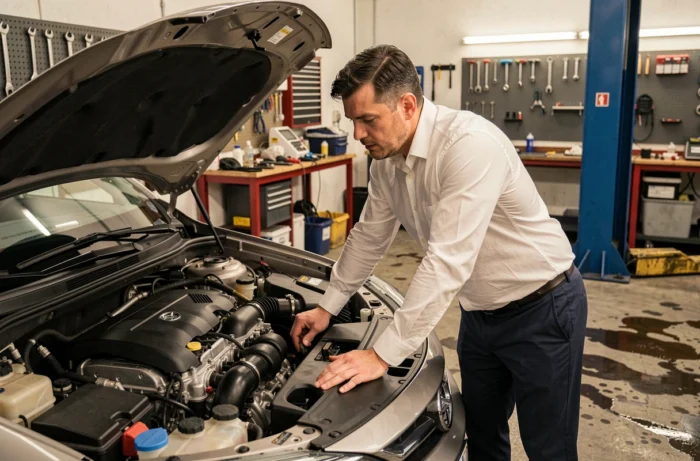
End-of-life batteries: digital passport planned for 2027
The European Batteries Regulation provides for the introduction of a digital passport for certain batteries from February 2027. This electronic document will need to track the origin of materials, initial capacity, charging history and battery health. The aim is twofold: to facilitate reuse in stationary storage systems and ensure the traceability of recycled materials.
Reusing electric vehicle batteries in energy storage installations is a well-documented approach that several industrial companies are already putting into practice. Reliable assessment of battery health remains a practical obstacle: diagnostic methods vary from one manufacturer to another, and there is not yet a unified protocol to certify that a battery removed from a vehicle can power a building for another ten years.
The regulation also sets progressive requirements for recycled content in new batteries. Manufacturers will have to incorporate increasing percentages of recycled cobalt, lithium and nickel. This requirement adds a logistical link between collection, chemical processing and reintegration into the production chain, at an industrial scale that Europe has yet to build.
Chinese brands in France: more than just low introductory prices
MG, BYD, Xpeng and Jaecoo now regularly appear in France’s monthly vehicle registration figures, and Geely is preparing to enter the market. This is more than a passing curiosity: these brands are competing directly with Renault, Peugeot and Hyundai in segments such as compact SUVs and electric saloons.
Three factors set this wave apart from traditional imports:
- The development of physical distribution networks in France, with dedicated dealerships rather than just independent importers, changing the after-sales relationship
- Manufacturer warranties often in line with European standards (five years or more), along with integrated roadside assistance programmes
- High levels of standard equipment in price segments where European brands still charge extra for optional features
Long-term reliability remains an unknown. The first Chinese vehicles to sell in significant numbers in France have only been on the road for two or three years. There is not yet enough real-world data on battery durability, corrosion or the availability of spare parts after five years to draw firm conclusions.
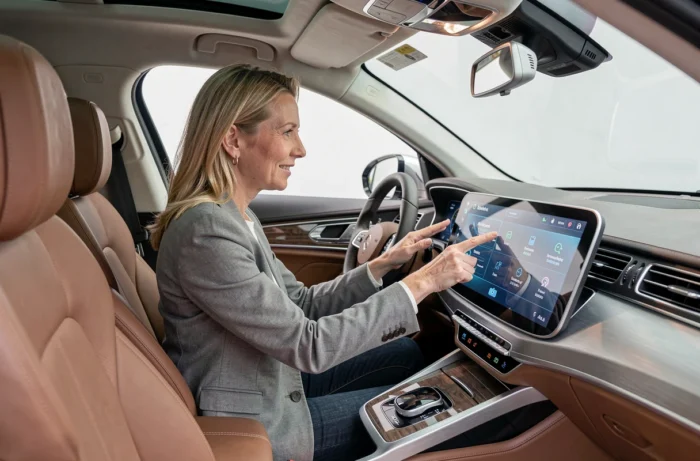
Growth in electric car sales: the role of public subsidies
Sales of new electric cars in France have surged in recent months, driven by a wider choice of models and lower prices for some vehicles. Renault illustrates this trend: the group’s electric vehicle sales rose by 85% in one quarter, even as its total vehicle sales declined.
This growth is partly supported by the ecological bonus and social leasing, two schemes whose continuation and terms remain subject to annual budget decisions. The question that current data cannot answer is: how much demand would remain without these incentives?
The average list price of an electric car is still higher than that of an equivalent combustion-engine model, and the used electric car market has not yet reached the depth needed to absorb a large influx of buyers on tight budgets.
The next announcements on the ecological bonus scale and the scope of social leasing will largely determine the pace of fleet electrification in 2027. A sharp reduction in incentives could slow the current trend, though it is unlikely to reverse it: there are more models available than three years ago, and the range of newer vehicles is easing some concerns about long-distance travel.
The automotive sector is entering a phase in which new models matter less than the conditions that shape their adoption. Regulations on brake particles, digital battery passports, the medium-term reliability of Chinese brands and the long-term viability of purchase incentives will all weigh more heavily on buyers’ decisions than the specifications of the next electric SUV.