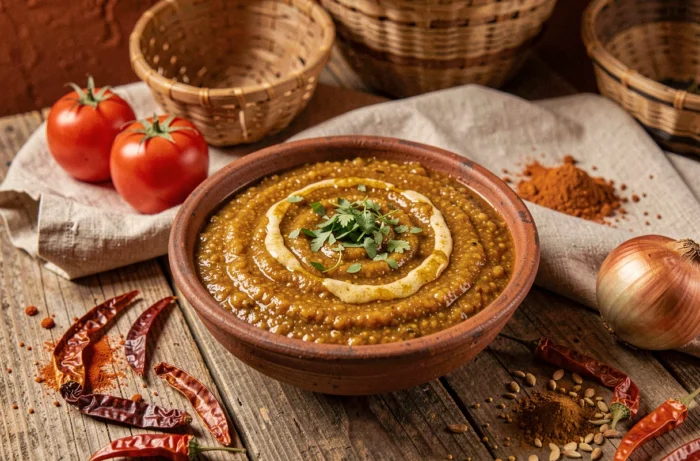
In a street market in Abidjan or in a diaspora kitchen in the Paris region, one stumbles upon yopie sauce almost by chance. A bottle with an orange hue, a creamy texture, a taste that oscillates between sweet and savory. This condiment from West Africa, long confined to family circles, is starting to carve a path well beyond its borders of origin.
Yopie Sauce and Distribution Channels: A Presence That Goes Beyond the Exotic Aisle
When searching for yopie sauce in France, the first instinct is often to turn to African grocery stores or community markets. The situation has changed. In recent years, the French agri-food trade press has documented the growing integration of African products into the “world food” aisles of major retailers.
This evolution is not limited to yopie sauce. It is part of a broader movement where distributors are expanding their offerings of condiments from West Africa, Asia, and the Caribbean. Brands like Mixo, which markets its own version of yopie sauce in a squeeze format, can now be found on online platforms and in certain physical retail locations.
For those who want to understand the base before buying it pre-made, the recipe for yopie sauce allows one to grasp what distinguishes this condiment from a simple spicy mayonnaise. The difference lies in the balance between spices, sugar, and the fatty base, a dosage that each family adjusts according to its habits.

Tasting Profile of Yopie Sauce: Why This Sweet-Savory Flavor Works
Mixo yopie sauce, the most well-known version in Europe, is recognizable by its orange color and creamy texture. The profile is puzzling for a palate accustomed to classic French sauces: it falls into a sweet-savory category, with a hint of heat in the background.
What holds it all together is the mayonnaise base reworked with spices and sugar. Unlike barbecue sauce or ketchup, yopie does not mask the flavor of the food it accompanies. It acts as an amplifier, especially on grilled meats and braised fish.
Feedback varies on this point, but many consumers note that the homemade version offers a less smooth result than the industrial version. The “less smooth” texture of some artisanal preparations is not a flaw: it reflects the absence of industrial emulsifiers and gives a more raw character to the condiment.
Successful Pairings in the Kitchen
Yopie sauce is primarily used on three types of dishes:
- Grilled or braised fish, where the sweet-savory nature of the sauce creates a contrast with the smoky notes of direct cooking
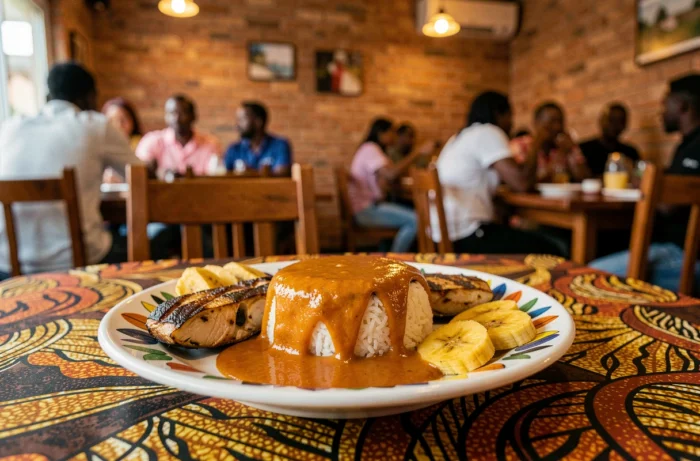
- African-style braised meats (chicken, beef), served with attiéké or rice, where yopie advantageously replaces pure chili for those who are sensitive to spiciness
- Street snacks like alloco (fried plantain), which find in yopie sauce a complement that is both fatty and spicy, without overpowering the sweetness of the plantain
Labeling and Allergens: What Yopie Sauce Lovers Should Check
The rarely addressed angle when discussing imported or artisanal sauces is the regulatory question. In recent years, European and French authorities have tightened oversight on imported hot sauces and condiments, whether they come from Africa, Asia, or elsewhere.
The public platform RappelConso documents the recalls of sauces and condiments for various reasons: undeclared allergen presence, pesticide residues, mycotoxins. These recalls affect the entire category, not specifically yopie sauce, but they remind us of a practical reality.
When buying artisanal yopie sauce at a market or grocery store, here’s what to look for:
- The presence of a complete ingredient list in French, mandatory for any food product sold in France
- The mention of major allergens (egg in the mayonnaise base, mustard possibly, dried fish depending on the variants)
- A minimum durability date or a use-by date, especially for versions without preservatives
- Storage conditions: Mixo yopie sauce can be stored both in the refrigerator and in the pantry, but this is not the case for all artisanal versions
Homemade or Industrial Yopie Sauce: Two Approaches, Two Results
The Mixo version has popularized yopie sauce outside of Côte d’Ivoire. Its squeeze format, calibrated taste, and online availability make it an accessible product. The base remains a mayonnaise enriched with spices and sugar, with a consistent texture from bottle to bottle.
The homemade version, on the other hand, entirely depends on the dosage of the person preparing it. It generally starts from a traditional mayonnaise, to which sugar, spices (the mix varies by family), sometimes fresh chili, and sometimes dried fish ground into powder are added. The result is more personal, often more pronounced in flavor.
Between the two, the choice depends on the context. For a quick barbecue with friends, the industrial version does the job. For a meal where yopie sauce is the centerpiece, the homemade preparation allows for adjusting every parameter: sugar level, chili intensity, texture thickness.
Yopie sauce remains a condiment of transmission. Each bottle purchased or each jar prepared at home tells a culinary heritage from Ivory Coast that is exported without losing its identity. The fact that it is gradually appearing on the shelves of French supermarkets confirms that its unique flavor has found an audience well beyond its region of origin.