
The French real estate market is expected to see around 940,000 transactions in 2026, a significant rebound from the low of 780,000 sales recorded in 2024. Behind this recovery in volumes, the price gaps between energy-efficient properties and energy-inefficient ones have never been more pronounced. We are observing a sector that is restructuring around stricter regulatory constraints, stabilized credit, and an increasing segmentation of demand.
DPE and rental ban: the regulatory filter that segments the real estate market
The ban on renting homes classified G under the DPE, effective from January 2025, will have concrete effects in 2026. Properties classified F will follow the same trajectory in the coming years, pushing landlords either to undertake energy renovation work or to sell at a discount.
This mechanism creates a two-speed market between compliant properties and discounted properties. In the older stock, an apartment classified D or better retains its liquidity and price per square meter. A property classified F or G faces more aggressive negotiation, with buyers factoring in the cost of renovations into their offers.
Analyses published on magazine-immobilier.fr confirm that this energy divide is reshaping buying strategies, even in major metropolitan areas where rental pressure had previously masked thermal performance gaps.
For landlords, the constraints do not stop at the DPE. New lease models apply to contracts signed or renewed from October 1, 2026, without the obligation to redo existing leases. This deadline imposes an administrative update that many owners do not anticipate.
Mortgage rates in 2026: stabilization rather than decline

The average mortgage rate stabilized around 3.30% in July 2026 according to the Crédit Logement/CSA Observatory, with a very slight increase compared to the previous month. We are no longer in a phase of rapid monetary easing, but in a plateau.
This stabilization changes the game for buyers. Those who were waiting for a return to 2% rates must adjust their borrowing capacity to current conditions. Household solvency remains under pressure, especially since prices in the older stock have not decreased uniformly.
In Paris, transaction volumes increased by 15% in the first quarter of 2026 compared to the same period in 2025. This recovery is driven by buyers who have integrated the new rate benchmark and who prefer move-in-ready properties, without heavy renovations.
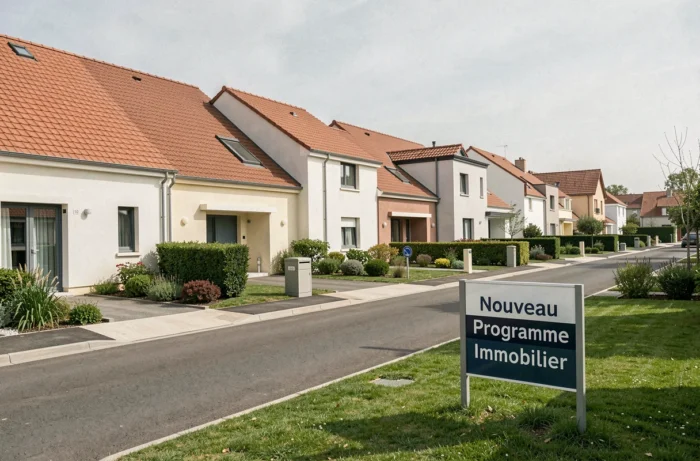
New construction remains in difficulty. Construction is struggling to recover after two years of crisis, and the French Building Federation anticipates only a slight rebound. The imbalance between new supply and rental demand increases pressure on renovated older properties.
Rent control and constraints for landlords in tight zones
Rent control in tight zones has been extended until July 31, 2027. For rental investors, this extension locks in the prospects for rent revaluation in the most strained urban areas.
Combined with the gradual ban on renting energy-inefficient properties, this regulatory framework constrains landlords on two simultaneous fronts:
- The obligation for energy compliance imposes renovations whose return on investment depends on the controlled rent, not the market rent
- The new lease models applicable from October 2026 add an administrative layer that owners managing directly rarely master
- Net rental profitability mechanically declines in areas where rent control and DPE constraints overlap
We recommend landlords simulate their profitability by incorporating the cost of energy renovation work and the applicable rent ceiling. A property classified E with controlled rent may generate a net yield lower than an unmanaged investment.
Real estate transactions and prices in France: a recovery that does not benefit all segments
The projected 940,000 transactions for 2026 remain well below the record of 1.1 million reached in 2021. We are not seeing a return to normal, but a selective restart. The million transactions will likely not be reached before 2027 or 2028.
The prices of apartments and houses follow distinct trajectories depending on location and energy performance. In major metropolitan areas, renovated and well-rated DPE properties are negotiated with low margins. In the suburbs, energy-consuming single-family homes face sometimes significant discounts.
The upward trend in volumes should not mask this reality: the market is polarizing. Solvent buyers are concentrating their searches on a narrow segment of compliant properties, while the stock of homes needing renovation is thickening, lacking buyers willing to finance renovations in a context of 3.30% credit.
The quarterly analysis by Notaires de France for the first quarter of 2026 confirms this segmented reading. Price developments are no longer viewed on a national scale, but at the neighborhood level, by property type and energy class.
The French real estate sector in 2026 rewards precision. The recovery in volumes masks growing disparities between segments, and regulatory constraints on the DPE, leases, and rent control reshape the decisions of both buyers and landlords. Only energy-compliant properties maintain stable liquidity, making thermal performance the primary valuation criterion for the existing stock.